
Op - Ed
• 4 months ago• Lim_Rothanaksambath
Lam Lay: A Turn Within a Turn? A Heartfelt Reflection on Cambodia's Path Forward
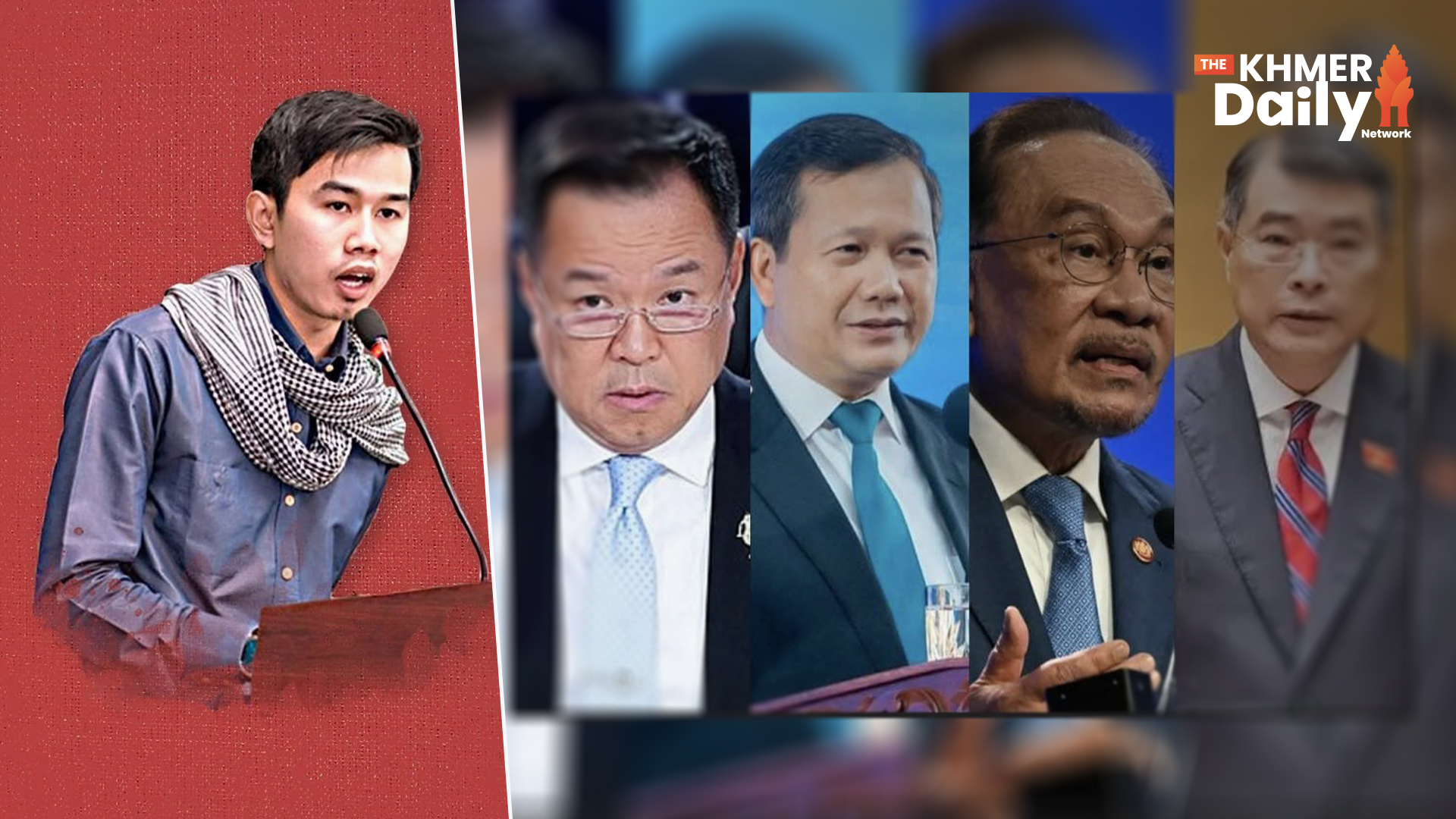
June 8, 2026: Cambodia finds itself at a difficult crossroads, according to commentator Lam Lay. The nation did not seek conflict, yet it must now navigate rising tensions with Thailand — not for the sake of pride, but for every displaced family, every child in temporary shelter, and every citizen longing to return home, he writes.
After Cambodia invoked the international legal mechanism of UNCLOS — a direct response to Thailand's unilateral withdrawal from the 2001 MoU — Bangkok has now threatened to abandon the GBC and JBC frameworks, Lam Lay observes. He questions whether Thailand is seeking genuine dialogue or attempting to force a smaller neighbor back to the table on its own terms. When a larger nation wields coercive power, the smaller country must hold its ground, he argues.
If Thailand remains trapped in ultranationalist posturing, international law — backed by verifiable evidence within ASEAN — may serve as the very mechanism that restrains further escalation. Regardless, one principle remains non-negotiable: resisting illegal encroachment on Cambodian soil.
Thailand's aggressive stance has pushed Cambodia to diversify its regional partnerships, Lam Lay notes. With border trade routes largely obstructed, Phnom Penh has strengthened ties with Malaysia. In an ironic twist, Kuala Lumpur has also begun restricting trade with Bangkok, prompting Thailand to file complaints with both ASEAN and the World Trade Organization. This raises a critical question: could Vietnam emerge as an indirect mediator within the ASEAN framework?
Historically, Thailand wielded economic dominance over its neighbors. Today, even Malaysia no longer shows fear, while Cambodia steadily advances its economic independence. If the Funan Techo Canal project materializes ahead of Thailand's competing infrastructure plans, the regional economic balance could shift in ways Bangkok may not yet be prepared to accept, he warns. At this pivotal moment, every nation will prioritize its own citizens' interests above all else.
Lam Lay describes this moment as painful, but stated that adversity borne of weakness can become a powerful catalyst for resilience. In any conflict, the economic dimension evolves with shifting circumstances and interests, making premature conclusions unwise. War produces only losses; the only variable is their scale, he states.
Thailand's current approach — attempting to isolate Cambodia and employing legal mechanisms as leverage — is not unprecedented, he adds. When Bangkok accuses Cambodia of setting bilateral relations backward, the underlying reality is simpler: Thailand can no longer dictate terms to Cambodia.
Behind the diplomatic maneuvering lie real human consequences, Lam Lay emphasizes. Displaced families have lost not only their homes but their livelihoods and sense of security. Children are growing up in temporary border shelters. Parents struggle to survive. Strengthening community-based economic systems, supporting local products, and maintaining national unity are not just policy goals — they are survival strategies. If an aggressor invests ten units of effort to harm, defenders must invest one hundred or two hundred to resist and restore equilibrium, he argues.
As Cambodia moves forward, exhausting every diplomatic possibility while standing firmly on principles of justice and national interest is essential, Lam Lay concludes. A unified national voice is not merely symbolic — it is a strategic necessity. Unity remains the key to resilience, and supporting domestic products is a tangible act of national strength.
Source: FACEBOOK, Lam Lay, June 8, 2026.
Reported by The Khmer Daily Network
After Cambodia invoked the international legal mechanism of UNCLOS — a direct response to Thailand's unilateral withdrawal from the 2001 MoU — Bangkok has now threatened to abandon the GBC and JBC frameworks, Lam Lay observes. He questions whether Thailand is seeking genuine dialogue or attempting to force a smaller neighbor back to the table on its own terms. When a larger nation wields coercive power, the smaller country must hold its ground, he argues.
If Thailand remains trapped in ultranationalist posturing, international law — backed by verifiable evidence within ASEAN — may serve as the very mechanism that restrains further escalation. Regardless, one principle remains non-negotiable: resisting illegal encroachment on Cambodian soil.
Thailand's aggressive stance has pushed Cambodia to diversify its regional partnerships, Lam Lay notes. With border trade routes largely obstructed, Phnom Penh has strengthened ties with Malaysia. In an ironic twist, Kuala Lumpur has also begun restricting trade with Bangkok, prompting Thailand to file complaints with both ASEAN and the World Trade Organization. This raises a critical question: could Vietnam emerge as an indirect mediator within the ASEAN framework?
Historically, Thailand wielded economic dominance over its neighbors. Today, even Malaysia no longer shows fear, while Cambodia steadily advances its economic independence. If the Funan Techo Canal project materializes ahead of Thailand's competing infrastructure plans, the regional economic balance could shift in ways Bangkok may not yet be prepared to accept, he warns. At this pivotal moment, every nation will prioritize its own citizens' interests above all else.
Lam Lay describes this moment as painful, but stated that adversity borne of weakness can become a powerful catalyst for resilience. In any conflict, the economic dimension evolves with shifting circumstances and interests, making premature conclusions unwise. War produces only losses; the only variable is their scale, he states.
Thailand's current approach — attempting to isolate Cambodia and employing legal mechanisms as leverage — is not unprecedented, he adds. When Bangkok accuses Cambodia of setting bilateral relations backward, the underlying reality is simpler: Thailand can no longer dictate terms to Cambodia.
Behind the diplomatic maneuvering lie real human consequences, Lam Lay emphasizes. Displaced families have lost not only their homes but their livelihoods and sense of security. Children are growing up in temporary border shelters. Parents struggle to survive. Strengthening community-based economic systems, supporting local products, and maintaining national unity are not just policy goals — they are survival strategies. If an aggressor invests ten units of effort to harm, defenders must invest one hundred or two hundred to resist and restore equilibrium, he argues.
As Cambodia moves forward, exhausting every diplomatic possibility while standing firmly on principles of justice and national interest is essential, Lam Lay concludes. A unified national voice is not merely symbolic — it is a strategic necessity. Unity remains the key to resilience, and supporting domestic products is a tangible act of national strength.
Source: FACEBOOK, Lam Lay, June 8, 2026.
Reported by The Khmer Daily Network